Coffee After Eye Surgery: What to Avoid During Recovery in Korea
Introduction
For many international patients traveling to Korea for eye surgery, coffee is part of the daily routine.
Korea has a strong café culture, and cities such as Seoul and Busan have countless cafés, specialty coffee shops, and convenient places to grab an espresso or iced coffee. After procedures such as LASIK, LASEK, PRK, SMILE, SMILE Pro, or ICL, however, patients often wonder whether they should temporarily avoid coffee.
The answer is not simply "coffee is forbidden."
For most patients, moderate caffeine consumption is not automatically prohibited after uncomplicated eye surgery. However, caffeine can have effects that may matter during recovery, particularly if you already experience dry eyes, difficulty sleeping, headaches, anxiety, or sensitivity to light.
More importantly, coffee should never replace adequate hydration, meals, rest, or prescribed postoperative care.
Your ophthalmologist's instructions should always take priority because recovery recommendations can vary depending on the procedure, your eye condition, medications, and individual healing.
This guide explains what patients should know about coffee after eye surgery in Korea and what other drinks, habits, and activities may be better limited during recovery.
Can You Drink Coffee After Eye Surgery?
Coffee Is Not Automatically Off-Limits
In many cases, patients can return to moderate coffee consumption after eye surgery if their ophthalmologist has not advised otherwise.
However, the timing may depend on:
- Type of eye surgery
- Anesthesia or sedation used
- Prescribed medications
- Dry-eye symptoms
- Blood pressure considerations
- Sleep quality
- Individual recovery
If your clinic gives you a specific restriction on caffeine, follow that recommendation.
Why Do Patients Worry About Coffee After Surgery?
Caffeine Can Affect How You Feel
Caffeine is a stimulant.
Depending on the person and the amount consumed, it may contribute to:
- Increased alertness
- Difficulty sleeping
- Jitteriness
- Headaches
- Temporary changes in heart rate
- Increased awareness of discomfort
These effects do not necessarily mean that coffee damages the surgical result.
The bigger concern is whether excessive caffeine makes your recovery less comfortable.
Coffee and Dry Eyes
Hydration Still Matters
Dryness is a common concern after some forms of refractive surgery.
Coffee contains water and contributes to fluid intake, but relying heavily on caffeinated drinks is not a good substitute for maintaining normal hydration.
If your eyes feel dry, prioritize:
- Water
- Prescribed or recommended lubricating eye drops
- Adequate sleep
- Breaks from screens
- Your clinic's dry-eye treatment plan
If significant dryness persists, discuss it with your ophthalmologist.
Can Coffee Make Dry Eyes Worse?
The Relationship Is Not Simple
It is too simplistic to say that coffee directly causes postoperative dry eye.
The effect of caffeine and coffee on ocular dryness varies between individuals and depends on the amount consumed and other factors.
If you notice that several cups of coffee make you feel dehydrated, uncomfortable, or more aware of dryness, reducing your intake may be reasonable during recovery.
Coffee and Sleep During Recovery
Sleep Is Important
Good sleep can make the recovery period more comfortable.
Large amounts of caffeine, particularly later in the day, may interfere with sleep in sensitive individuals.
Poor sleep can make you feel:
- Tired
- Headachy
- Irritable
- More sensitive to discomfort
If you are recovering from eye surgery, consider limiting caffeine later in the day if it affects your sleep.
How Much Coffee Is Too Much?
Moderation Is More Important Than a Universal Number
There is no single postoperative coffee limit that applies to every eye-surgery patient.
Your overall caffeine intake can come from:
- Coffee
- Espresso
- Cold brew
- Tea
- Energy drinks
- Cola
- Pre-workout products
- Some medications
If you normally drink several caffeinated beverages each day, discuss your routine with your doctor if you are unsure whether you should reduce it temporarily.
Should You Stop Coffee Before Eye Surgery?
Follow Your Clinic's Preoperative Instructions
Whether you should avoid coffee before surgery depends on the procedure and the type of anesthesia or sedation involved.
If your clinic tells you not to eat or drink for a certain period before surgery, follow those instructions exactly.
Do not assume that because coffee is a normal daily drink it is automatically permitted before your procedure.
Coffee on the Day of Surgery
Don't Guess
If you have surgery scheduled, ask your clinic specifically:
- Can I drink coffee before surgery?
- Can I drink water?
- When should I stop eating?
- Should I take my regular medications?
- Can I drink coffee after the procedure?
These instructions can differ depending on the surgical setting and anesthesia plan.
What About Coffee Immediately After Eye Surgery?
Your Clinic's Instructions Come First
After surgery, some patients may feel tired, nauseated, thirsty, or uncomfortable.
If your medical team has given you specific dietary instructions, follow them.
If you are allowed to eat and drink normally, moderate coffee may be acceptable for many people, but water and a balanced meal may be more useful during the earliest recovery period.
Coffee and Eye Drops
Do Not Replace Medication With Lifestyle Changes
Coffee does not treat postoperative dryness, inflammation, infection, or other eye conditions.
If your surgeon prescribes:
- Antibiotic drops
- Anti-inflammatory drops
- Lubricating drops
- Other medications
use them exactly as instructed.
Do not reduce or stop prescribed eye drops because your eyes feel better after drinking water or reducing caffeine.
What About Iced Coffee?
The Temperature Usually Isn't the Main Issue
Cold coffee is not automatically harmful to recovering eyes.
The more important factors are:
- Caffeine content
- Sugar content
- Your overall fluid intake
- Your personal tolerance
- Whether it affects sleep or comfort
You do not need to avoid iced coffee simply because it is cold unless your doctor gives you a specific reason.
What About Korean Café Drinks?
Watch the Caffeine and Sugar
Korean cafés offer a wide range of drinks, including:
- Americano
- Iced Americano
- Latte
- Cold brew
- Cappuccino
- Matcha drinks
- Milk-based beverages
- Fruit drinks
- Energy-style beverages
The caffeine content can vary considerably.
If you are sensitive to caffeine, check what you are ordering rather than assuming every coffee contains the same amount.
Iced Americano During Recovery
A Popular Choice for Visitors
Iced Americano is particularly popular in Korea.
There is no general rule that patients must avoid it after uncomplicated eye surgery.
However, if you are experiencing significant dryness, headaches, poor sleep, or other symptoms, consider reducing caffeine and discussing persistent symptoms with your clinic.
Can You Visit Cafés After Eye Surgery?
The Café Itself Is Usually More Important Than the Coffee
Once your ophthalmologist allows normal activity, sitting in a café can be a relaxing activity during recovery.
However, immediately after surgery, consider avoiding:
- Crowded environments
- Smoky spaces
- Dusty environments
- Long walks
- Bright outdoor areas
- Excessive screen use
If you are sensitive to light, choose a comfortable indoor location.
Avoid Rubbing Your Eyes While Drinking Coffee
A Simple but Important Rule
After eye surgery, avoid rubbing or pressing your eyes.
If your eyes become itchy, dry, or uncomfortable while sitting in a café, use only the drops recommended by your eye doctor.
Do not rub your eyes with:
- Hands
- Tissues
- Sleeves
- Towels
Keeping your hands clean can also help reduce unnecessary contamination around the eyes.
Coffee and Screen Time
The Combination May Increase Discomfort
A common post-surgery routine is:
Coffee + phone + laptop + café.
The coffee itself may not be the problem.
Prolonged screen use can reduce blinking and make dry-eye symptoms more noticeable.
If your doctor allows screen use:
- Take regular breaks
- Blink frequently
- Keep the screen at a comfortable distance
- Avoid excessive brightness
- Stop if your eyes become uncomfortable
Coffee and Eye Strain
Caffeine Does Not Fix Visual Fatigue
Coffee may make you feel more alert, but it does not correct eye strain.
If you experience:
- Burning
- Tired eyes
- Blurred vision
- Difficulty focusing
- Headaches
take a break instead of simply drinking another cup of coffee.
Persistent or worsening symptoms should be discussed with your ophthalmologist.
What Drinks Should You Prioritize During Recovery?
Water
Water should remain an important part of your normal fluid intake.
Non-Caffeinated Drinks
If you want to reduce caffeine, options may include:
- Decaffeinated coffee
- Herbal tea
- Water
- Milk
- Other non-caffeinated beverages
Check with your doctor if you have medical conditions that require specific fluid or dietary restrictions.
Should You Avoid Energy Drinks?
Be More Cautious With High-Caffeine Drinks
Energy drinks can contain significant amounts of caffeine and other stimulants.
During recovery, especially if you already have headaches, poor sleep, palpitations, or anxiety, it may be sensible to avoid high-caffeine energy products unless your doctor says otherwise.
There is no reason to use energy drinks as part of routine eye-surgery recovery.
What About Alcohol After Eye Surgery?
Follow Your Surgeon's Restrictions
Alcohol may interact with medications, affect hydration, and interfere with recovery routines.
Do not assume that alcohol is safe simply because you feel well.
Ask your ophthalmologist when alcohol can be resumed, particularly if you are taking prescription medications.
Smoking and Eye Recovery
Avoid Smoke Exposure
Smoking and secondhand smoke can irritate the eyes.
After eye surgery, avoiding smoky environments is a sensible precaution.
If you visit cafés or restaurants, choose smoke-free environments.
What Foods Should You Eat After Eye Surgery?
Focus on a Balanced Diet
There is no special "eye surgery diet" required for most patients, but balanced nutrition supports general recovery.
Consider meals containing:
- Protein
- Vegetables
- Fruits
- Whole grains
- Healthy fats
- Adequate fluids
You do not need expensive supplements unless recommended by a healthcare professional.
Coffee and Medication
Tell Your Doctor What You Take
If you regularly use caffeine-containing products or medications, mention them during your consultation.
This is particularly important if you take medications that may affect:
- Blood pressure
- Heart rate
- Sleep
- Anxiety
- Headaches
Your doctor can give you individualized advice.
Coffee After LASIK
Follow Your LASIK Clinic's Instructions
After LASIK, patients may experience dryness, fluctuating vision, glare, or light sensitivity during recovery.
If your clinic permits coffee, moderate intake may be acceptable.
However, maintain hydration and follow your prescribed eye-drop schedule.
Coffee After LASEK or PRK
Recovery Can Be Different
LASEK and PRK generally involve a different corneal healing process from SMILE.
Because recovery can be more prolonged or uncomfortable for some patients, your ophthalmologist may give you more specific postoperative instructions.
Follow those instructions rather than relying on general advice about coffee.
Coffee After SMILE or SMILE Pro
Moderation and Hydration
After SMILE or SMILE Pro, follow your clinic's postoperative instructions.
If coffee is permitted, moderate consumption is generally more reasonable than excessive caffeine intake.
Pay attention to:
- Dryness
- Sleep quality
- Headaches
- Light sensitivity
- Overall comfort
If symptoms are persistent or worsening, contact your surgeon.
Coffee After ICL
Follow Intraocular Surgery Instructions
ICL is an intraocular procedure, so postoperative monitoring is particularly important.
Coffee restrictions, if any, should come from your ophthalmologist based on your surgery and medications.
Do not assume that advice for LASIK or SMILE automatically applies to ICL.
What Should International Patients Do in Korea?
Plan Coffee Around Your Recovery
International patients may be tempted to combine eye surgery with a café tour.
A better strategy is to keep the first part of your trip flexible.
You can explore Korea's café culture after your surgeon confirms that normal activities are appropriate.
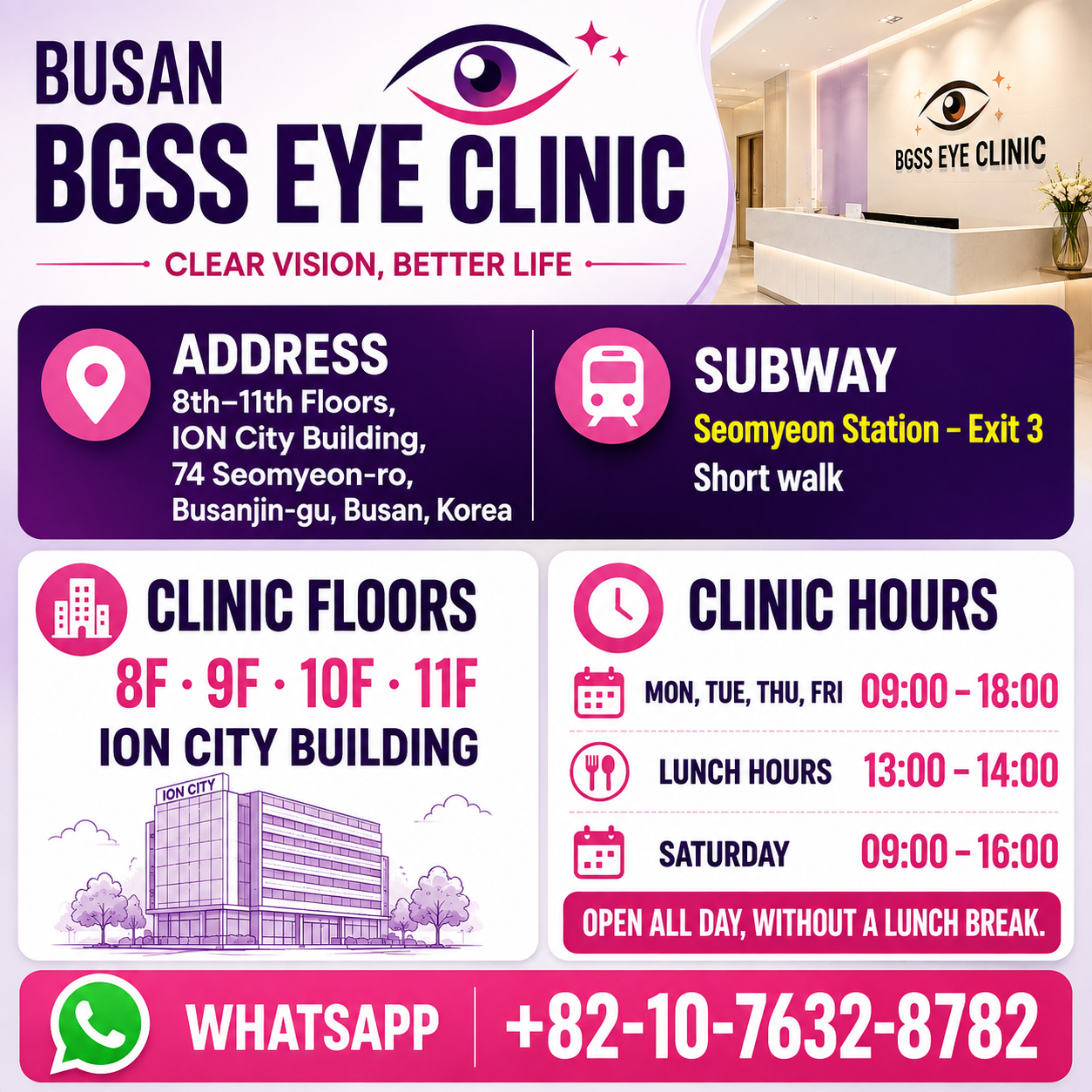
Coffee Shops Near Seomyeon
Convenient During Recovery
If you are staying in Seomyeon for eye surgery, cafés can be easy to reach.
However, during early recovery, choose locations that allow you to:
- Sit comfortably
- Avoid smoke
- Avoid excessive crowds
- Rest your eyes
- Return easily to your hotel
You do not need to spend hours in a café just because you are visiting Korea.
Coffee During a Busan Medical Tourism Trip
Make Recovery the Priority
Busan offers a huge variety of cafés, restaurants, and sightseeing opportunities.
If you are recovering from eye surgery, plan your itinerary around your medical appointments.
A simple schedule may be more comfortable:
Morning: Follow postoperative instructions and attend appointments.
Afternoon: Rest and have a light meal.
Later: Enjoy a short café visit if your doctor permits normal activity.
Evening: Return to your accommodation and rest.
What Should You Avoid During Eye-Surgery Recovery?
Avoid Rubbing Your Eyes
This is one of the simplest precautions.
Avoid Unapproved Eye Drops
Use only products recommended by your eye-care team.
Avoid Swimming Until Cleared
Pools and seawater may increase infection concerns during early healing.
Avoid Heavy Exercise When Restricted
Follow your surgeon's specific activity timeline.
Avoid Smoke and Dust
These can irritate sensitive eyes.
Avoid Excessive Alcohol
Follow medication and recovery instructions.
Avoid Driving Before Clearance
Blurred vision, glare, and other temporary changes can make driving unsafe.
When Should You Contact Your Eye Doctor?
Do Not Blame Everything on Coffee
If you develop significant symptoms after surgery, do not automatically assume that caffeine caused them.
Contact your ophthalmologist if you experience:
- Sudden significant vision loss
- Severe or increasing eye pain
- Marked redness
- Significant discharge
- Rapidly worsening vision
- New flashes
- Sudden increase in floaters
- Severe or worsening light sensitivity
These symptoms require medical assessment rather than simply stopping coffee.
A Practical Coffee Guide After Eye Surgery
Before Surgery
Ask your clinic whether coffee is permitted before your procedure.
Immediately After Surgery
Follow your clinic's food and drink instructions.
Early Recovery
Prioritize water, meals, sleep, prescribed medications, and eye drops.
Later Recovery
If your surgeon allows coffee, moderate intake may be reasonable for many patients.
If Coffee Makes You Feel Worse
Reduce or temporarily stop caffeine and discuss persistent symptoms with your doctor.
Conclusion
Coffee is not automatically something every eye-surgery patient in Korea must completely avoid.
For many patients, the more important issue is moderation, hydration, sleep, and following the specific instructions provided by their ophthalmologist.
If caffeine makes your eyes feel drier, contributes to headaches, interferes with sleep, or makes you feel uncomfortable, reducing your intake during recovery may be helpful.
Patients should also pay attention to other recovery priorities, including prescribed eye drops, avoiding eye rubbing, limiting smoke exposure, following exercise and swimming restrictions, and attending postoperative appointments.
For international patients visiting Korea for LASIK, LASEK, PRK, SMILE Pro, or ICL, Korea's café culture can still be enjoyed—but it should not take priority over recovery.
If your surgeon says coffee is permitted, a moderate cup can often fit into a normal recovery routine. If your clinic gives different instructions, follow your clinic.
FAQs About Coffee After Eye Surgery
1. Can I drink coffee after eye surgery?
For many patients, moderate coffee consumption may be acceptable after uncomplicated eye surgery, but your surgeon's instructions should take priority.
2. Should I stop coffee before LASIK or SMILE Pro?
Not necessarily. Preoperative food and drink instructions depend on the procedure and anesthesia plan. Ask your clinic specifically.
3. Can coffee make dry eyes worse after surgery?
The relationship is not straightforward, but excessive caffeine may make some people feel less comfortable. Maintain normal hydration and discuss persistent dryness with your ophthalmologist.
4. Can I drink iced Americano after eye surgery in Korea?
If your doctor allows coffee, iced Americano is not automatically prohibited. Pay attention to your total caffeine intake and hydration.
5. Can I visit a Korean café after eye surgery?
Once your ophthalmologist permits normal activity, a short café visit can be a relatively relaxing activity. Avoid smoke, dust, excessive screen use, and environments that make your eyes uncomfortable.
6. Should I avoid energy drinks during recovery?
High-caffeine energy drinks are generally less desirable during recovery, particularly if they cause headaches, poor sleep, or other unwanted effects.
7. Can I drink alcohol after eye surgery?
Follow your surgeon's instructions. Alcohol can interact with medications and may interfere with recovery.
8. Is coffee bad for SMILE Pro recovery?
Coffee is not automatically harmful to SMILE Pro recovery. Moderate consumption may be acceptable for some patients, but individual postoperative instructions should be followed.
9. What should I drink after eye surgery?
Water should remain an important part of your normal fluid intake. You can also choose other beverages that fit your doctor's recommendations and your individual health needs.
10. When should I call my eye doctor after surgery?
Contact your ophthalmologist for sudden significant vision changes, severe or increasing pain, marked redness, significant discharge, or rapidly worsening symptoms.