Glaucoma Screening and Treatment in Busan Korea
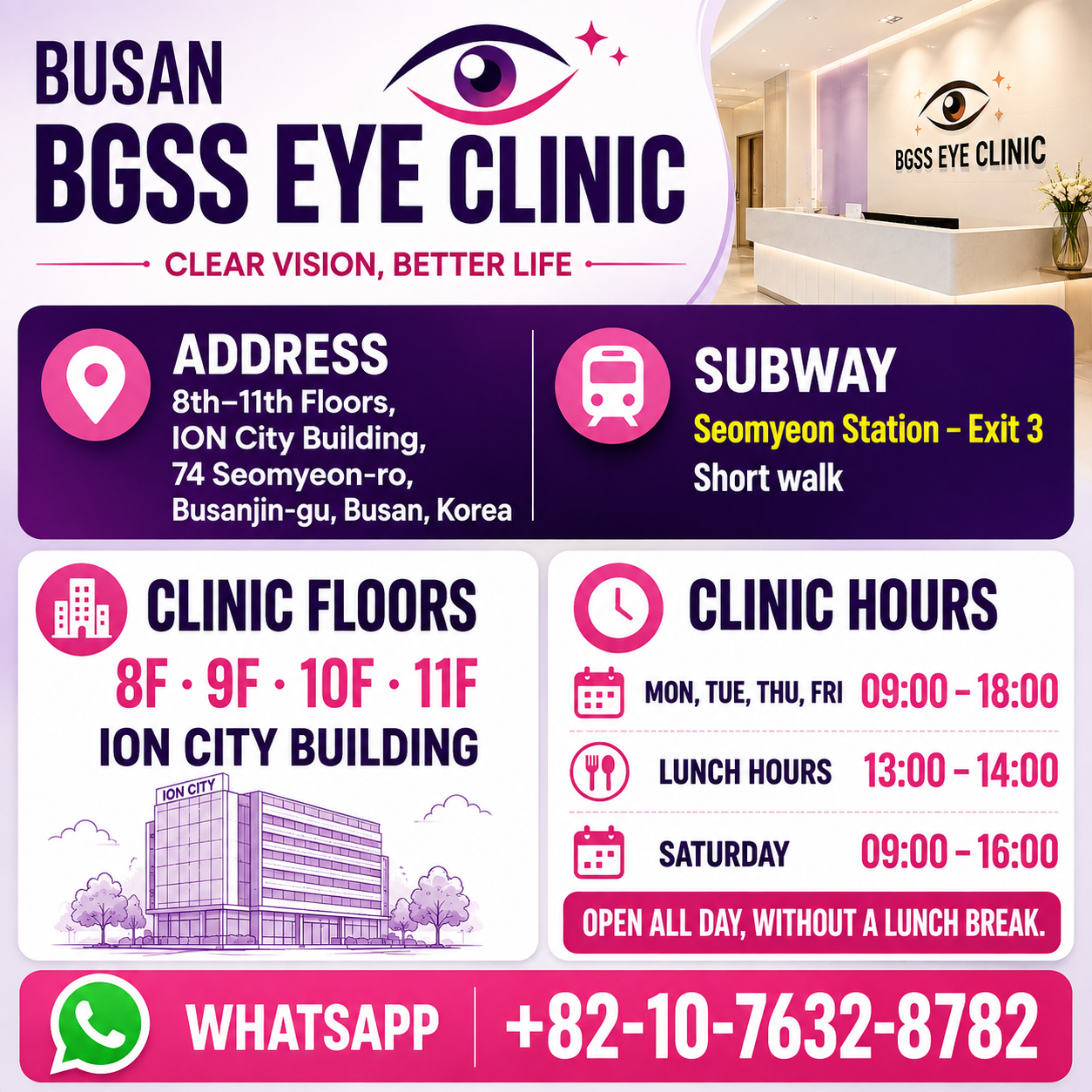
Glaucoma screening and treatment in Busan, Korea helps detect optic nerve damage, monitor eye pressure, and protect long-term vision. At BGSS Eye Clinic Busan, patients can receive detailed eye examinations to evaluate glaucoma risk, visual field changes, optic nerve health, and treatment options.
Glaucoma is often called a silent eye disease because early symptoms may be mild or absent. Regular eye exams are important, especially for patients with high eye pressure, family history, high myopia, diabetes, older age, or previous eye surgery.
Why Choose Glaucoma Care in Busan Korea?
Busan is becoming a trusted destination for eye care in Korea, offering modern diagnostic systems, experienced ophthalmic care, and convenient access for international patients. Glaucoma management requires accurate testing, long-term monitoring, and personalized treatment planning.
BGSS Eye Clinic Busan focuses on early detection, careful follow-up, and vision preservation for patients concerned about glaucoma or eye pressure.
What Is Glaucoma?
Glaucoma is a group of eye diseases that damage the optic nerve, which carries visual information from the eye to the brain. It is commonly associated with elevated intraocular pressure, but glaucoma can also occur even when eye pressure appears normal.
If untreated, glaucoma can lead to gradual peripheral vision loss and, in advanced cases, permanent vision impairment.
Common Glaucoma Symptoms
Early glaucoma often has no obvious symptoms. As the condition progresses, patients may notice peripheral vision loss, tunnel vision, blurry vision, eye discomfort, halos, or difficulty adapting to darkness.
Sudden severe eye pain, headache, nausea, vomiting, and blurred vision may indicate acute angle-closure glaucoma and require urgent medical attention.
Who Should Get Glaucoma Screening?
Glaucoma screening may be especially important for patients who have high eye pressure, family history of glaucoma, high myopia, diabetes, older age, thin corneas, eye injury history, long-term steroid use, or previous eye surgery.
Patients planning LASIK, LASEK, SMILE Pro, ICL, or cataract surgery should also have eye pressure and optic nerve health checked before surgery.
Comprehensive Glaucoma Evaluation
A glaucoma evaluation may include intraocular pressure measurement, optic nerve examination, visual field testing, retinal nerve fiber layer analysis, corneal thickness measurement, gonioscopy, OCT imaging, and review of medical history.
These tests help determine whether the patient has glaucoma, glaucoma suspicion, ocular hypertension, or another eye condition requiring monitoring.
Glaucoma and Eye Pressure
Eye pressure is an important glaucoma risk factor, but it is not the only one. Some patients develop glaucoma with normal eye pressure, while others have high eye pressure without optic nerve damage.
This is why optic nerve imaging, visual field testing, and corneal thickness evaluation are important parts of glaucoma assessment.
Glaucoma Treatment Options
Prescription Eye Drops
Eye drops are commonly used to lower intraocular pressure and reduce the risk of optic nerve damage. The type of medication depends on eye pressure level, disease severity, and patient tolerance.
Laser Treatment
Certain glaucoma patients may benefit from laser procedures to improve fluid drainage or reduce eye pressure. Suitability depends on glaucoma type and eye anatomy.
Surgical Treatment
For advanced or uncontrolled glaucoma, surgical treatment may be considered. The goal is to lower eye pressure and protect remaining vision.
Long-Term Monitoring
Glaucoma is usually a long-term condition that requires regular follow-up. Monitoring helps detect changes early and adjust treatment when needed.
Glaucoma Care for International Patients
BGSS Eye Clinic Busan welcomes international patients seeking glaucoma screening, second opinions, eye pressure evaluation, and vision protection planning in Korea. Patients are encouraged to bring previous eye exam records, visual field test results, OCT results, medication lists, and family history details if available.
The clinic helps patients understand their diagnosis, treatment plan, and follow-up schedule during their stay in Busan.
Why Choose BGSS Eye Clinic Busan?
BGSS Eye Clinic Busan focuses on careful diagnosis, personalized eye care, and long-term vision protection. Instead of relying on eye pressure alone, the clinic evaluates optic nerve health, visual field function, corneal thickness, retinal nerve fiber layer, and patient risk factors.
Patients can consult about glaucoma screening, eye pressure treatment, comprehensive eye exams, cataract surgery planning, LASIK suitability, ICL evaluation, dry eye care, and other eye services in Busan, Korea.
Frequently Asked Questions
What is glaucoma?
Glaucoma is a group of eye diseases that damage the optic nerve. It is often linked to high eye pressure, but it can also occur with normal eye pressure.
What are the early symptoms of glaucoma?
Early glaucoma often has no noticeable symptoms. This is why regular eye exams are important, especially for patients with risk factors such as high eye pressure or family history.
Can glaucoma be cured?
Glaucoma usually cannot be reversed, but treatment can help slow progression and protect remaining vision. Early diagnosis and consistent follow-up are important.
How is glaucoma diagnosed?
Glaucoma may be diagnosed through eye pressure measurement, optic nerve examination, visual field testing, OCT imaging, corneal thickness measurement, and other detailed tests.
Can I have LASIK or ICL if I have glaucoma?
Patients with glaucoma or glaucoma suspicion need careful evaluation before LASIK, LASEK, SMILE Pro, or ICL. The doctor must check eye pressure, optic nerve health, corneal thickness, and overall surgical safety.
Can international patients get glaucoma screening in Busan?
Yes. BGSS Eye Clinic Busan welcomes international patients seeking glaucoma screening, eye pressure evaluation, and ophthalmology care in Korea.