Eye Care for Retirees Living in Busan, Korea
Introduction
Retirement can be an excellent time to focus more closely on long-term health, daily comfort, and quality of life. For retirees living in Busan, Korea, maintaining healthy vision can make everyday activities such as reading, walking, driving, using public transportation, shopping, traveling, and staying socially active easier and safer.
Vision naturally changes with age, but significant vision loss should not simply be accepted as an unavoidable part of getting older. Conditions such as cataracts, glaucoma, age-related macular degeneration, diabetic eye disease, dry eye, and refractive changes become more relevant with increasing age.
Regular eye examinations can help detect these conditions early, monitor existing eye disease, and determine whether treatment or updated vision correction may be appropriate.
For foreign retirees and international residents in Busan, finding an eye-care provider that can communicate clearly in English or another preferred language may also be an important part of choosing ongoing care.
This guide explains what retirees living in Busan should know about senior eye care, common age-related eye conditions, routine examinations, symptoms that require attention, and practical ways to maintain healthy vision.
Why Eye Care Becomes More Important With Age
Vision Changes Can Be Gradual
Some age-related vision changes happen slowly.
You may notice:
- Difficulty reading small print
- Needing brighter light
- More difficulty seeing at night
- Increased glare
- Slower adjustment between bright and dark environments
- Difficulty focusing at close distances
- Changes in color perception
- More frequent changes in glasses prescriptions
These symptoms do not necessarily indicate serious disease, but they are worth discussing during an eye examination.
Presbyopia After 40
Why Reading Becomes More Difficult
Presbyopia is an age-related reduction in the eye's ability to focus on nearby objects.
It commonly becomes noticeable during middle age and progresses with time.
Retirees may notice difficulty with:
- Reading books
- Reading menus
- Looking at smartphones
- Sewing or crafts
- Reading medication labels
- Using computers
Reading glasses, progressive lenses, or other forms of vision correction may help.
Cataracts in Older Adults
A Common Cause of Gradual Vision Changes
Cataracts occur when the natural lens inside the eye becomes cloudy.
Common symptoms include:
- Blurry vision
- Glare
- Halos around lights
- Reduced contrast
- Faded colors
- Difficulty seeing at night
Cataracts are common with aging, but the impact on vision varies.
When Should Cataracts Be Treated?
Treatment Depends on Daily Life
Cataract surgery may be considered when cataracts interfere with activities such as:
- Reading
- Walking
- Driving
- Working
- Watching television
- Recognizing faces
- Managing household activities
The presence of a cataract does not automatically mean surgery is necessary.
An ophthalmologist can evaluate how much the cataract is affecting vision and daily activities.
Glaucoma and Retiree Eye Health
Why Regular Monitoring Matters
Glaucoma affects the optic nerve and can cause permanent vision loss.
In many cases, glaucoma develops gradually without obvious symptoms.
Peripheral vision can become affected over time.
Regular examinations may include:
- Eye pressure measurement
- Optic-nerve assessment
- Visual-field testing
- OCT
- Other tests when appropriate
Early detection and ongoing management can help reduce the risk of significant vision loss.
Age-Related Macular Degeneration
Protecting Central Vision
Age-related macular degeneration, or AMD, affects the macula and can interfere with central vision.
Possible symptoms include:
- Blurred central vision
- Distorted straight lines
- Difficulty reading
- Difficulty recognizing faces
- A blurry or missing area in central vision
Retirees who notice new distortion or central visual changes should arrange an eye examination.
Diabetic Eye Disease
Important for Retirees With Diabetes
Diabetes can affect the retina and lead to diabetic retinopathy or diabetic macular edema.
Retirees with diabetes should follow their recommended retinal screening schedule.
Managing diabetes and blood pressure appropriately is also important for overall eye health.
Dry Eye in Older Adults
Burning and Fluctuating Vision
Dry eye becomes more common with age.
Symptoms may include:
- Burning
- Irritation
- Grittiness
- Redness
- Watery eyes
- Light sensitivity
- Fluctuating blurry vision
Dry eye can be especially noticeable during prolonged screen use, reading, air-conditioned environments, or windy weather.
An eye-care professional can determine the underlying cause and recommend appropriate treatment.
Eye Floaters and Flashes
When Should You Be Concerned?
Floaters can become more noticeable with age.
A few stable floaters may not indicate an emergency.
However, sudden onset of many new floaters, flashes of light, or a curtain-like shadow over part of the vision can be signs of a retinal problem.
These symptoms require prompt ophthalmic evaluation.
Regular Eye Exams for Retirees
Why Routine Examinations Matter
A comprehensive eye examination can identify problems before they significantly affect daily life.
Depending on your age, symptoms, medical history, and risk factors, an examination may include:
- Visual acuity
- Refraction
- Eye pressure
- Slit-lamp examination
- Retinal examination
- Visual-field testing
- OCT
- Other specialized tests
Your ophthalmologist can recommend an appropriate examination schedule.
How Often Should Retirees Have Eye Exams?
There Is No Single Schedule for Everyone
The appropriate frequency depends on factors such as:
- Age
- Diabetes
- Glaucoma risk
- Family history
- Existing eye disease
- Previous eye surgery
- Current symptoms
- Medications
Someone with glaucoma may need much more frequent monitoring than a healthy person with no eye disease.
Ask your ophthalmologist to recommend a schedule based on your individual risk profile.
Eye Pressure and Glaucoma Screening
Why Pressure Measurement Is Useful
Eye pressure measurement is commonly included in comprehensive eye examinations.
Elevated intraocular pressure can increase the risk of glaucoma, although not everyone with glaucoma has high eye pressure.
This is why pressure measurement should be considered alongside optic-nerve and visual-field evaluation when clinically appropriate.
Visual Field Testing
Checking Peripheral Vision
Visual-field testing evaluates how well you can detect objects in different areas around your central vision.
It may be particularly useful for people with:
- Glaucoma
- Suspected visual-field loss
- Certain neurological conditions
- Other conditions affecting peripheral vision
OCT Eye Scans for Seniors
Detailed Imaging of Eye Structures
Optical coherence tomography, or OCT, provides detailed cross-sectional images of structures inside the eye.
Depending on the situation, OCT can help evaluate:
- Retina
- Macula
- Optic nerve
It can be useful for monitoring conditions such as glaucoma and macular disease.
OCT does not replace a complete eye examination.
Retinal Examinations
Looking at the Back of the Eye
A retinal examination allows an ophthalmologist to evaluate the retina and optic nerve.
This can help detect or monitor conditions such as:
- Diabetic retinopathy
- AMD
- Retinal tears
- Retinal detachment
- Glaucoma-related changes
- Other retinal disorders
Glasses and Vision Correction
Keep Your Prescription Updated
Your glasses prescription may change as you age.
An outdated prescription can contribute to:
- Blurry vision
- Headaches
- Difficulty reading
- Trouble seeing signs
- Problems with night vision
Retirees should have their prescription reassessed when they notice changes rather than continuing to use glasses that no longer provide adequate correction.
Progressive Lenses for Retirees
One Pair for Multiple Distances
Progressive lenses can provide correction for:
- Distance
- Intermediate vision
- Near vision
They may be useful for retirees who spend time reading, using computers, watching television, and going outdoors.
However, lens selection should be based on lifestyle and visual requirements.
Contact Lenses After Retirement
Comfort Becomes Particularly Important
Some retirees continue wearing contact lenses, while others prefer glasses.
Age-related dry eye can make contact-lens wear less comfortable.
If you experience:
- Dryness
- Redness
- Irritation
- Fluctuating vision
- Discomfort
discuss these symptoms with an eye-care professional.
Screen Use and Retiree Eye Health
Digital Devices Are Not Just for Younger People
Many retirees use smartphones, tablets, computers, and televisions regularly.
Extended screen use can contribute to eye discomfort and temporary visual fatigue.
Helpful habits may include:
- Taking regular visual breaks
- Adjusting screen brightness
- Increasing text size
- Keeping the screen at a comfortable distance
- Blinking regularly
- Maintaining appropriate room lighting
Persistent symptoms should be evaluated rather than automatically attributed to screen use.
Eye Health and Outdoor Activities in Busan
Protect Your Eyes Outdoors
Busan offers many opportunities for outdoor activities, including walking, hiking, sightseeing, and spending time near the coast.
Outdoor conditions can expose the eyes to:
- Bright sunlight
- Wind
- Dust
- Reflections
- Dry air
UV-protective sunglasses and a hat can help reduce exposure to bright sunlight.
Sun Protection for Older Adults
UV Exposure Matters Over Time
Cumulative ultraviolet exposure can contribute to certain eye and skin conditions.
When outdoors for extended periods, consider:
- UV-protective sunglasses
- A wide-brimmed hat
- Avoiding prolonged direct sunlight when possible
Choose sunglasses that provide appropriate UV protection rather than selecting them solely based on how dark the lenses appear.
Eye Care During Busan's Changing Weather
Adjust Your Routine When Conditions Change
Busan experiences seasonal changes in temperature, humidity, wind, and precipitation.
Some retirees may notice increased eye irritation during:
- Dry conditions
- Windy weather
- Strong air conditioning
- Heating season
- High-pollen periods
If symptoms persist, an eye examination can help determine whether dry eye, allergy, infection, or another condition is involved.
Smoking and Eye Health
Smoking Can Affect Overall Eye Health
Smoking is associated with increased risk for several eye diseases, including certain retinal conditions and cataracts.
If you smoke, discuss smoking cessation with your healthcare provider.
Protecting eye health is one more reason to consider reducing or stopping tobacco use.
Nutrition and Eye Health
A Balanced Diet Supports Overall Health
There is no single food that can prevent every age-related eye condition.
A balanced diet containing vegetables, fruits, whole grains, protein sources, and healthy fats can support overall health.
People with specific eye diseases should ask their ophthalmologist whether any nutritional recommendations are appropriate for their situation.
Do not start high-dose supplements solely for eye health without discussing them with a healthcare professional.
Exercise and Eye Health
Stay Physically Active When Appropriate
Regular physical activity supports cardiovascular and overall health.
For retirees, activities such as walking and appropriately supervised exercise may contribute to general well-being.
People with significant eye disease or other medical conditions should ask their healthcare provider which activities are appropriate.
Blood Pressure and Eye Health
Systemic Health Can Affect the Eyes
High blood pressure can affect blood vessels throughout the body, including those supplying the eyes.
Managing blood pressure according to your healthcare provider's recommendations can support overall health and may reduce risks associated with vascular eye disease.
Diabetes and Retiree Eye Care
Regular Retinal Monitoring Is Important
If you have diabetes, regular eye examinations are particularly important.
Diabetic eye disease can develop before obvious symptoms appear.
Do not wait for blurry vision before scheduling recommended diabetic retinal screening.
Medications and Vision
Tell Your Eye Doctor About All Medications
Retirees may take multiple medications for different health conditions.
During an eye examination, provide a current medication list.
Some medications can affect:
- Tear production
- Pupil function
- Eye pressure
- Visual perception
- Dry-eye symptoms
Your ophthalmologist can determine whether a medication may be relevant to your eye health.
Eye Care for Retirees Who Drive
Driving Requires Good Functional Vision
Retirees who drive should pay attention to:
- Distance vision
- Peripheral vision
- Night vision
- Glare
- Contrast sensitivity
- Ability to read road signs
If driving becomes increasingly difficult, arrange an eye examination.
Do not assume that worsening night vision or glare is simply a normal part of aging.
Fall Prevention and Better Vision
Good Vision Can Support Safe Mobility
Clear vision helps retirees identify:
- Steps
- Curbs
- Uneven surfaces
- Obstacles
- Wet floors
- Changes in elevation
Good lighting at home is also important.
Consider using night lights in hallways, bathrooms, and other areas used after dark.
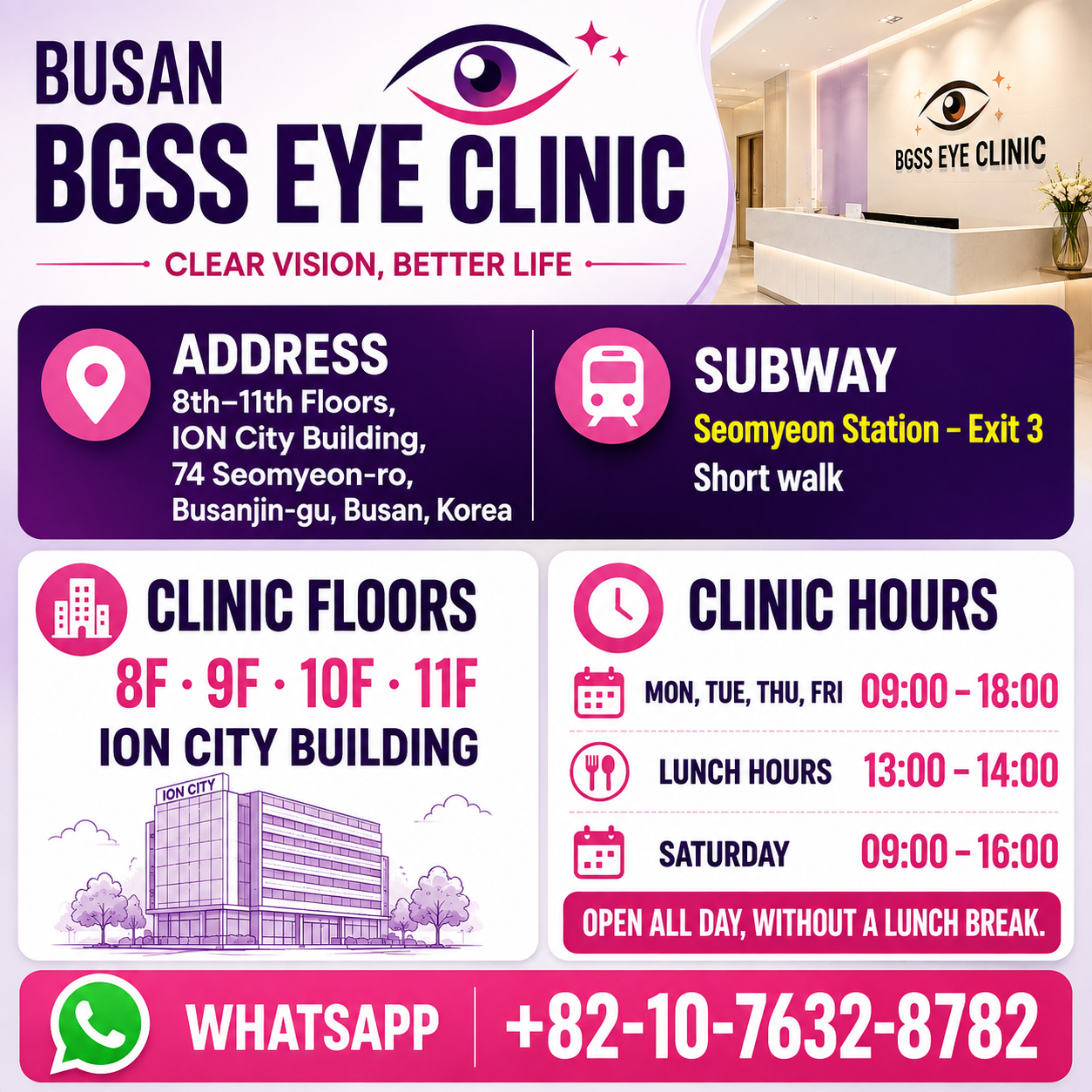
Choosing an Eye Clinic in Busan
What Should Retirees Look For?
When choosing an eye clinic or ophthalmology center in Busan, consider:
- Comprehensive diagnostic testing
- Ophthalmologist availability
- Experience treating older adults
- Access to retinal and glaucoma evaluation
- Cataract assessment
- Follow-up care
- Communication in your preferred language
- Clear explanations of treatment options
- Convenient location
For international retirees, English-language communication may be particularly useful when discussing medical history, test results, medications, and treatment plans.
English-Speaking Eye Care in Busan
Communication Is Part of Good Medical Care
International retirees may prefer a clinic where they can communicate comfortably.
Before an appointment, ask whether:
- English consultation is available
- Medical records can be provided in English
- Test results can be explained in English
- Follow-up communication is available
- Prescription information can be understood clearly
If language support is limited, consider arranging interpretation when necessary.
Preparing for Your Eye Appointment
Bring Your Previous Records
International residents should consider bringing:
- Current glasses
- Previous glasses prescriptions
- Contact-lens information
- OCT reports
- Visual-field results
- Retinal photographs
- Previous eye-surgery records
- Medical history
- Medication list
- Allergy information
Previous records can help the ophthalmologist identify changes over time.
Questions to Ask Your Korean Eye Doctor
Useful Questions for Retirees
- How healthy are my eyes for my age?
- Do I have cataracts?
- Should I be screened for glaucoma?
- Is my peripheral vision normal?
- Should I have an OCT scan?
- Do I have signs of macular disease?
- Is my glasses prescription still appropriate?
- Could my medications affect my eyes?
- How often should I have a comprehensive eye examination?
- Are there symptoms that should make me seek urgent care?
When Retirees Need Urgent Eye Care
Do Not Wait for a Routine Appointment
Seek prompt medical attention if you experience:
- Sudden vision loss
- Sudden double vision
- A sudden increase in floaters
- Flashes of light
- A curtain or shadow over part of your vision
- Severe eye pain
- Sudden distortion of straight lines
- Major changes in one eye
Some of these symptoms may indicate retinal, vascular, neurological, or other urgent conditions.
Senior Eye Care Checklist for Retirees in Busan
Simple Habits to Maintain Healthy Vision
☐ Have regular comprehensive eye examinations
☐ Keep your glasses prescription updated
☐ Monitor cataracts and glaucoma
☐ Follow recommended retinal screening
☐ Have diabetes-related eye checks when appropriate
☐ Report new floaters or flashes
☐ Protect your eyes from excessive UV exposure
☐ Use adequate lighting when reading
☐ Take breaks during prolonged screen use
☐ Maintain a healthy lifestyle
☐ Keep your medication list updated
☐ Review driving vision when necessary
☐ Keep pathways well lit to reduce fall risks
☐ Seek urgent care for sudden vision changes
Conclusion
Eye care becomes increasingly important during retirement because vision plays a central role in independence, mobility, communication, and quality of life.
Cataracts, glaucoma, macular degeneration, diabetic eye disease, dry eye, presbyopia, and changing glasses prescriptions can all affect how retirees see the world. Some conditions develop slowly and may produce few symptoms in the early stages, making regular eye examinations particularly valuable.
For retirees living in Busan, maintaining an ongoing relationship with an eye-care professional can make it easier to monitor changes and address problems before they significantly interfere with daily activities.
International retirees should also consider practical factors such as English-language communication, access to previous medical records, convenient follow-up, and clear explanations of diagnostic results.
Most importantly, do not assume that significant changes in vision are simply part of getting older. If you notice new blurry vision, difficulty reading, increased glare, night-vision problems, distortion, flashes, floaters, or sudden vision loss, arrange the appropriate level of medical evaluation.
Good senior eye care is not only about seeing clearly. It is about helping retirees remain active, independent, and confident in everyday life in Busan.
FAQs About Eye Care for Retirees Living in Busan
1. How often should retirees in Busan have an eye examination?
There is no single schedule that applies to everyone. The appropriate frequency depends on age, medical history, diabetes, glaucoma risk, existing eye disease, family history, and symptoms. Your ophthalmologist can recommend an individualized schedule.
2. Are cataracts a normal part of aging?
Cataracts become more common with age, but significant vision impairment should not simply be accepted. If cataracts interfere with daily activities, an ophthalmologist can discuss treatment options.
3. Should retirees in Busan be screened for glaucoma?
Glaucoma risk increases with age, so regular comprehensive eye examinations can be important. Screening and monitoring may include eye pressure, optic-nerve evaluation, visual-field testing, and OCT when appropriate.
4. What symptoms of macular disease should seniors watch for?
New central blurring, distorted straight lines, difficulty reading, or a missing or blurry area in central vision should be evaluated promptly.
5. Can dry eye cause blurry vision in older adults?
Yes. Dry eye can cause fluctuating vision, irritation, burning, and discomfort. Persistent symptoms should be evaluated to identify the underlying cause.
6. Should retirees continue wearing contact lenses?
Some retirees can continue using contact lenses comfortably, but age-related dry eye may make contact-lens wear more difficult. An eye-care professional can assess whether continued use is appropriate.
7. Is OCT useful for older adults?
OCT can provide detailed images of the retina, macula, and optic nerve. It may be particularly useful when evaluating or monitoring glaucoma, macular disease, and certain retinal conditions.
8. Can better vision help prevent falls?
Good vision can help seniors recognize stairs, curbs, obstacles, and changes in floor surfaces. However, fall prevention also requires attention to balance, strength, medications, footwear, lighting, and environmental hazards.
9. Can international retirees receive eye care in English in Busan?
Some clinics and hospitals offer English-language services, but availability varies. International retirees should confirm language support before booking an appointment if English communication is important.
10. When should a retiree seek emergency eye care?
Sudden vision loss, sudden flashes, a sudden increase in floaters, a curtain-like shadow, severe eye pain, sudden double vision, or significant distortion can require urgent evaluation. Do not wait for a routine appointment when these symptoms occur.